MOTS-c vs Tesamorelin: Key Research Differences MOTS-c and Tesamorelin represent two distinct research categories MOTS-c is a mitochondrial-derived peptide studied for its role in cellular energy signaling
Originally developed and FDA-approved for treating HIV-associated lipodystrophy (excess visceral fat), tesamorelin has since gained traction in bodybuilding for its ability to: Elevate IGF-1 levels, enhancing muscle protein synthesis and recovery Reduce visceral and subcutaneous fat, leading to a leaner physique Preserve lean muscle mass, especially during calorie deficits Support tissue repair, collagen turnover, and joint health In short, tesamorelin acts as a growth hormone booster that creates an anabolic environment favorable for bodybuilders chasing fat loss, recovery, and physique enhancement
Physicians who prescribe unapproved drugs without an Investigational New Drug (IND) application violate federal law and risk medical board sanctions
This hypothetical adverse effect, although not clinically reported until now, is analogous to the hypothalamic-pituitary axis suppression seen with long-term use of systemic corticosteroids Exacerbation of Helicobacter pylori associated peptic ulcers: Helicobacter pylori is known to feed on macrophages and neutrophils abundant at the site of inflammation caused by the ulcer
They are not approved by the FDA for human use outside of clinical trials and are not legally sold as dietary supplements or over-the-counter drugs
By using Western blot, immunofluorescence and other techniques, the expression and distribution of tight junction proteins were analyzed, and the effect of IGF-1 LR3 on barrier integrity was studied



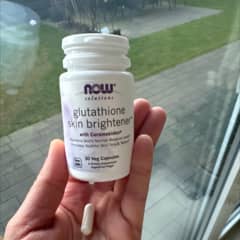

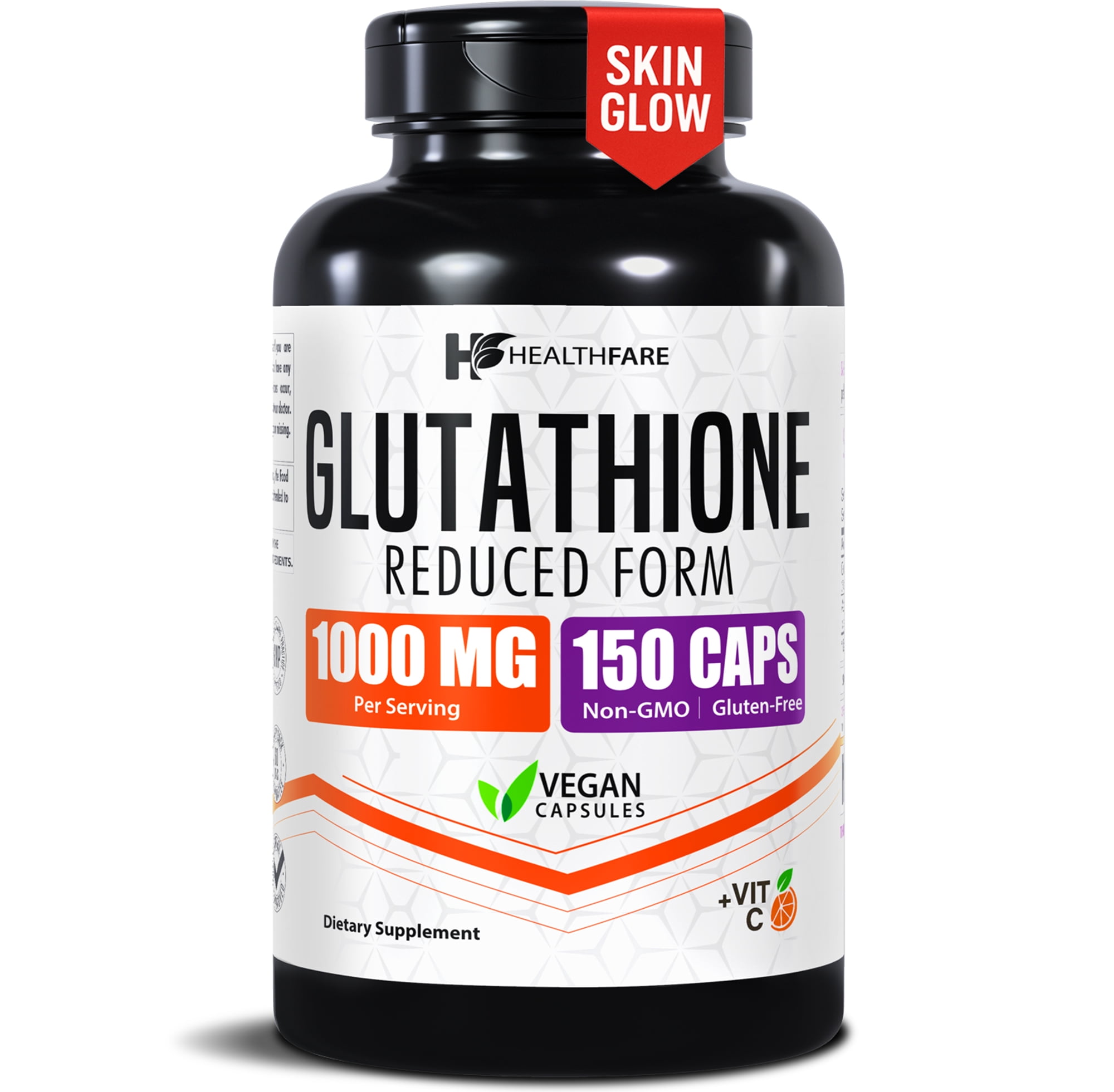


/https://chiaki.vn/upload/news/content/2023/07/serum-glutathione-5-jpg-1688634403-06072023160643.jpg)